
Introduction
In today’s fast-paced global economy, efficiency in warehousing and logistics is more critical than ever. As businesses strive to optimize their supply chains, the design and construction of warehouses must evolve to accommodate increasing demands for speed, flexibility, and sustainability. Lida Group, a leader in steel structure technology, has developed innovative warehouse solutions that maximize efficiency while addressing the diverse needs of various industries. This article explores the features, benefits, and applications of Lida Group’s steel structure warehouses, highlighting their role in enhancing operational efficiency.
Understanding Steel Structure Warehouses
What Are Steel Structure Warehouses?
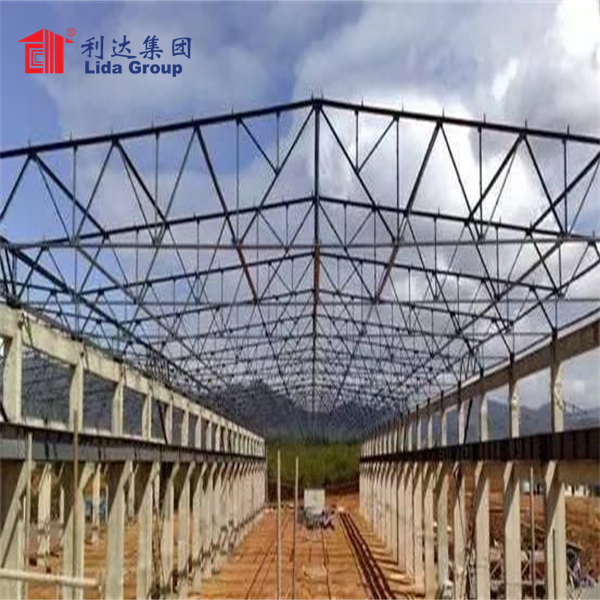
Steel structure warehouses are industrial buildings constructed primarily from steel frameworks. This construction method offers several advantages, including strength, durability, and flexibility. Steel warehouses can be designed to accommodate various storage and operational needs, from bulk storage to distribution centers.
The Importance of Efficient Warehousing
Efficient warehousing is essential for several reasons:
- Cost Reduction: Streamlined operations can significantly reduce costs associated with storage, handling, and transportation.
- Enhanced Productivity: Efficient warehouse design promotes smooth workflows, allowing for quicker processing of goods.
- Flexibility: Modern warehouses must adapt to changing business needs, including fluctuating inventory levels and evolving technologies.
Lida Group’s Commitment to Warehouse Efficiency
A Legacy of Innovation
Lida Group has established itself as a pioneer in steel structure technology, with a commitment to innovation and excellence. With decades of experience, the company focuses on delivering high-quality warehouse solutions that meet the evolving demands of the logistics and manufacturing sectors.
Advanced Design and Engineering
Lida Group employs advanced design and engineering techniques to create warehouses that maximize efficiency. Key elements of this approach include:
- Customized Solutions: Lida Group collaborates with clients to understand their specific needs, developing tailored warehouse designs that optimize space and workflow.
- Utilization of Technology: The integration of advanced design software, such as Computer-Aided Design (CAD) and Building Information Modeling (BIM), allows for precise planning and visualization.
Quality Materials
The use of high-quality materials is a cornerstone of Lida Group’s warehouse solutions. Steel, known for its strength and durability, serves as the primary construction material. The company sources steel from reputable suppliers who adhere to strict quality standards, ensuring that every warehouse is built to last.
Benefits of Lida Group’s Steel Structure Warehouses
1. Structural Integrity and Durability
Lida Group’s steel structure warehouses are designed to withstand harsh weather conditions and heavy loads. The inherent strength of steel ensures that these buildings remain safe and functional over time, providing a reliable storage solution for various goods.
2. Cost-Effectiveness
The use of steel in warehouse construction offers significant cost advantages:
- Lower Maintenance Costs: Steel structures require minimal maintenance compared to traditional materials like wood or concrete, reducing long-term expenses.
- Rapid Construction: The prefabrication of steel components allows for quicker assembly on-site, reducing labor costs and project timelines.
3. Design Flexibility
One of the standout features of Lida Group’s steel structure warehouses is their design flexibility. These warehouses can be configured to meet a variety of needs, including:
- Open Floor Plans: The absence of internal columns allows for spacious, open layouts that can accommodate a wide range of storage options.
- Modular Designs: Warehouses can be expanded or reconfigured as business needs change, ensuring long-term adaptability.
4. Enhanced Safety
Safety is paramount in any warehouse environment. Lida Group’s steel structure warehouses are designed with safety in mind:
- Robust Construction: The strength of steel provides a safe environment, reducing the risk of structural failures and accidents.
- Compliance with Safety Standards: Lida Group adheres to local and international safety regulations, ensuring that all warehouses meet stringent safety requirements.
Applications of Lida Group’s Steel Structure Warehouses
1. Distribution Centers
Lida Group’s steel structure warehouses are ideal for distribution centers, providing the necessary space and infrastructure to efficiently manage the flow of goods. Key benefits include:
- Optimized Layouts: Custom designs can incorporate dedicated areas for inbound and outbound logistics, improving overall efficiency.
- Scalable Solutions: As businesses grow, Lida Group’s warehouses can be easily expanded to accommodate increased inventory.
2. Cold Storage Facilities
For industries requiring temperature-controlled storage, Lida Group offers specialized steel structure warehouses designed for cold storage applications. These warehouses feature:
- Insulation Systems: High-quality insulation materials help maintain consistent temperatures, preserving the quality of perishable goods.
- Efficient Refrigeration: Integrated refrigeration systems ensure that cold storage requirements are met without excessive energy consumption.
3. Manufacturing Facilities
Lida Group’s steel structure warehouses can also serve as manufacturing facilities, providing ample space for production processes. Key features include:
- Dedicated Work Areas: Warehouse designs can incorporate dedicated zones for assembly, quality control, and storage of raw materials.
- Flexible Configurations: As production needs change, the layout can be easily adjusted to accommodate new equipment or processes.
4. Retail Warehousing
In the retail sector, efficient warehousing is essential for managing inventory and fulfilling customer orders. Lida Group’s warehouses offer:
- Streamlined Operations: Optimized layouts enhance the picking and packing process, reducing order fulfillment times.
- Integrated Technology: Warehouses can be equipped with advanced inventory management systems to track stock levels and streamline operations.
The Construction Process
1. Initial Consultation and Planning
The construction of a Lida Group steel structure warehouse begins with a comprehensive consultation to assess client needs. This phase includes:
- Site Evaluation: Assessing site conditions and constraints to inform design decisions.
- Design Collaboration: Working closely with clients to develop a customized warehouse layout that meets their operational requirements.
2. Design Development
Once the initial consultation is complete, Lida Group’s design team creates detailed plans using advanced software. Key elements of this phase include:
- 3D Modeling: Visualizing the warehouse layout and structure to ensure all specifications are met.
- Structural Analysis: Conducting simulations to assess the structural integrity of the design under various load conditions.
3. Prefabrication
After finalizing the design, Lida Group moves to the prefabrication stage:
- Precision Manufacturing: Steel components are fabricated off-site in a controlled environment, ensuring quality and consistency.
- Quality Assurance: Rigorous quality checks are conducted throughout the fabrication process to meet safety and performance standards.
4. On-Site Assembly
The assembly phase involves transporting prefabricated components to the construction site for installation:
- Rapid Construction: With prefabricated components, assembly is quick and minimizes disruption to the surrounding area.
- Safety Protocols: Lida Group adheres to strict safety standards during construction, ensuring a safe working environment.
Sustainability in Steel Structure Warehouses
1. Eco-Friendly Materials
Lida Group is committed to sustainability in its construction practices. The use of steel, which is 100% recyclable, minimizes the environmental impact of warehouse construction.
2. Energy Efficiency
Lida Group incorporates energy-efficient systems into its warehouse designs, such as:
- High-Quality Insulation: Effective insulation materials help regulate indoor temperatures, reducing the need for heating and cooling.
- Natural Lighting: Strategic placement of windows and skylights maximizes natural light, reducing energy consumption.
3. Waste Reduction
The prefabrication process minimizes on-site waste, as components are manufactured to precise specifications. This approach reduces material waste and promotes a more sustainable construction process.
Challenges and Solutions in Warehouse Construction
1. Navigating Regulatory Compliance
Building codes and regulations can pose challenges for warehouse construction. Lida Group addresses these challenges by:
- Thorough Research: Conducting extensive research to ensure all designs comply with local regulations.
- Engaging with Authorities: Collaborating with local authorities during the planning phase to streamline the approval process.
2. Supply Chain Management
Supply chain disruptions can impact project timelines. Lida Group mitigates these challenges by:
- Diverse Supplier Network: Building relationships with multiple suppliers to ensure material availability.
- Inventory Management: Utilizing advanced inventory management systems to track materials and anticipate shortages.
3. Weather Considerations
Weather conditions can affect construction schedules. Lida Group employs strategies such as:
- Flexible Scheduling: Adjusting construction timelines based on weather forecasts to minimize delays.
- Weather-Resistant Materials: Using materials designed to withstand harsh weather conditions, ensuring project durability.
The Future of Steel Structure Warehouses
1. Increased Demand for Efficient Warehousing
As businesses continue to expand, the demand for efficient warehousing solutions will grow. Lida Group is well-positioned to meet this demand with its innovative steel structure warehouses.
2. Technological Advancements
The future of warehouse design and construction will be shaped by advancements in technology:
- Smart Warehousing: Integration of IoT devices and automation systems will enhance warehouse management and efficiency.
- Data Analytics: Utilizing data analytics for inventory management will enable businesses to make informed decisions and optimize operations.
3. Global Expansion
Lida Group aims to expand its reach internationally, providing steel structure warehouse solutions to diverse markets. This expansion will involve:
- Collaborations: Partnering with local contractors and governments to promote steel structure warehouses in developing regions.
- Customizing Designs: Adapting designs to meet the unique needs and preferences of different cultures and climates.
Conclusion
Lida Group’s steel structure warehouses represent a significant advancement in the quest for efficiency in warehousing and logistics. By combining innovative design, advanced technology, and a commitment to sustainability, Lida Group is redefining how industries approach warehouse construction.
As the demand for modern, efficient warehouses continues to rise, Lida Group is poised to lead the way in delivering high-quality steel structure solutions that meet the evolving needs of businesses worldwide. Through a focus on safety, flexibility, and sustainability, Lida Group is shaping the future of warehousing, ensuring that operational efficiency thrives in a well-designed environment. The impact of these warehouses extends far beyond individual businesses, contributing to the overall effectiveness of supply chains and enhancing the global economy.
Contact Us
Post time: Oct-14-2024